

Maximizing E-Commerce Success with SEO Strategies
E-commerce SEO is all about optimizing your online store to rank higher in search engine results pages (SERPs). The higher you rank, the more visibility your store gets, leading to increased traffic and, ultimately, more sales. This involves various techniques, including keyword optimization, content creation, and technical enhancements.
The Basics of E-Commerce SEO
SEO for e-commerce is distinct from traditional SEO in many ways. It involves specific strategies tailored to the unique structure and goals of online stores. A strong e-commerce SEO strategy focuses on product and category pages, ensuring they are optimized for search engines. Understanding these fundamentals is the first step toward enhancing your online presence.
Why SEO Matters for E-Commerce
SEO is crucial for e-commerce because it directly impacts your store’s visibility and discoverability. With millions of e-commerce sites on the internet, standing out can be challenging. SEO helps you reach potential customers actively searching for products like yours. It’s a cost-effective way to drive organic traffic to your site, which can result in long-term growth.
The Competitive Landscape
The e-commerce industry is booming, but with growth comes increased competition. Differentiating yourself from competitors is vital for success. SEO provides the tools and techniques to do just that, allowing you to reach potential customers effectively and efficiently. Understanding your competition and how they leverage SEO can offer valuable insights into improving your own strategies.
The Role of User Experience
User experience (UX) is intricately linked with SEO. A seamless, intuitive shopping experience not only enhances customer satisfaction but also positively impacts your SEO rankings. Search engines favor websites that provide a smooth user experience, including easy navigation and fast loading times. Focusing on UX can lead to higher rankings and increased sales.
Essential SEO Strategies for E-Commerce
Keyword Research and Optimization
The foundation of any successful SEO strategy is thorough keyword research. Identify the terms and phrases your potential customers use when searching for products. Use tools like Google Keyword Planner or SEMrush to find relevant keywords with high search volume and low competition. Once you have your keywords, strategically incorporate them into your product descriptions, category pages, and metadata.
Identifying Target Keywords
Before optimizing your site, it’s essential to know which keywords to target. This involves understanding your audience and the language they use. Long-tail keywords, which are more specific and often have less competition, can be particularly effective for e-commerce stores. They not only attract more targeted traffic but also have higher conversion rates.
Integrating Keywords Effectively
Once you’ve identified your target keywords, the next step is integration. This involves placing these keywords strategically throughout your site, including in product titles, descriptions, and URLs. Balancing keyword density while maintaining natural, engaging copy is crucial to avoid penalties from search engines for keyword stuffing.
Monitoring and Adjusting Keyword Strategy
The digital landscape is ever-changing, and so should your keyword strategy. Regularly monitor the performance of your chosen keywords and adjust as needed. Tools like Google Analytics can provide insights into which keywords are driving traffic and conversions, allowing for data-driven adjustments to your strategy.
High-Quality Content Creation
Content is king in the world of SEO. Create informative and engaging content that provides value to your customers. This could be in the form of blog posts, product descriptions, or how-to guides. Ensure your content is optimized for your target keywords and includes internal links to other relevant pages on your site.
Crafting Compelling Product Descriptions
Product descriptions are more than just lists of features; they are a chance to connect with potential buyers. Craft descriptions that are informative yet engaging, highlighting the benefits and unique aspects of your products. Well-written descriptions can improve SEO rankings and entice customers to make a purchase.
Utilizing Blog Content for SEO
A blog can be a powerful SEO tool for e-commerce sites. By creating content around industry trends, product tutorials, and customer stories, you can attract a wider audience. Blogs provide an opportunity to target additional keywords and establish your brand as an authority in your niche, driving organic traffic to your store.
Engaging with Visual Content
Visual content, such as images and videos, plays a significant role in e-commerce SEO. High-quality visuals can enhance user experience and increase the time visitors spend on your site. Ensure that all visual content is optimized with appropriate alt tags and descriptions to improve search engine indexing and accessibility.
On-Page SEO Techniques
On-page SEO involves optimizing individual pages on your website to improve their search engine rankings. This includes optimizing title tags, meta descriptions, headers, and image alt text. Ensure that each page on your site is unique and focused on a specific keyword or topic.
Optimizing Title Tags and Meta Descriptions
Title tags and meta descriptions are the first things users see in search engine results. Crafting compelling, keyword-rich titles and descriptions can significantly impact click-through rates. Ensure these elements are concise, informative, and include a clear call to action to entice users to visit your site.
Structuring Headers and Subheaders
Proper header and subheader structure not only enhances readability but also helps search engines understand the content hierarchy on your page. Use headers (H1, H2, etc.) to break up content, making it more digestible for readers and improving SEO. Each header should be relevant and include target keywords where appropriate.
Enhancing Image Optimization
Images are crucial for e-commerce sites, but they need to be optimized to prevent slow loading times. Use descriptive file names and alt tags to improve search engine indexing. Compress images to reduce file size without sacrificing quality, ensuring that your site remains fast and user-friendly.
Technical SEO Enhancements
Technical SEO focuses on improving the backend of your website to enhance its performance and crawlability. Ensure your site is mobile-friendly, has a fast loading speed, and uses HTTPS for security. Create an XML sitemap and submit it to search engines to help them index your pages more effectively.
Ensuring Mobile Responsiveness
With more consumers shopping on mobile devices, ensuring your site is mobile-friendly is critical. A responsive design adjusts to fit any screen size, providing a seamless shopping experience. Mobile-friendly sites are favored by search engines, leading to higher rankings and better visibility.
Improving Site Speed
Site speed is a crucial ranking factor and influences user experience. Slow-loading pages can lead to high bounce rates, negatively impacting your SEO. Optimize your site’s speed by compressing images, using browser caching, and minimizing redirects to ensure a fast, efficient shopping experience for users.
Implementing Secure HTTPS Protocols
Security is a top priority for both search engines and consumers. Using HTTPS not only protects data exchanged on your site but also boosts your SEO rankings. Search engines favor secure sites, and consumers are more likely to trust and purchase from sites that protect their information.
Building Quality Backlinks
Backlinks are links from other websites that point to your site. They are an important ranking factor for search engines. Aim to acquire high-quality backlinks from reputable sites in your industry. You can achieve this through guest blogging, partnerships, or creating shareable content that naturally attracts links.
The Importance of Backlink Quality
Not all backlinks are created equal. Quality matters more than quantity when it comes to backlinks. Links from authoritative, relevant sites carry more weight and can significantly boost your SEO. Focus on building relationships with reputable sites to earn valuable backlinks.
Strategies for Earning Backlinks
There are several strategies for acquiring backlinks, including guest blogging, influencer partnerships, and creating exceptional content. Guest blogging allows you to reach new audiences while earning backlinks from reputable sites. Collaborating with influencers in your industry can also lead to valuable links and increased exposure.
Monitoring and Maintaining Backlinks
Once you’ve built a robust backlink profile, it’s crucial to monitor and maintain it. Regularly check for broken links or low-quality backlinks that could harm your SEO. Use tools like Google Search Console to track your backlinks and ensure they continue to provide value to your site.
Leveraging AI and Technology for E-Commerce Success
AI Avatar Software for Product Ads

AI avatar software is becoming increasingly popular for creating engaging product ads. These tools allow you to generate lifelike avatars to showcase your products in various scenes. By comparing different AI avatar software, you can find the best fit for your e-commerce needs, enhancing your advertising efforts.
Exploring AI Avatar Capabilities
AI avatars offer a range of capabilities that can enhance your marketing efforts. From realistic product demonstrations to personalized customer interactions, these avatars can revolutionize how you engage with customers. Understanding the full potential of AI avatars can help you utilize them effectively in your marketing strategy.
Selecting the Right AI Avatar Software
Choosing the right AI avatar software is crucial for maximizing its benefits. Consider factors such as ease of use, customization options, and integration capabilities with your existing marketing tools. Comparing different software solutions can help you find the one that best aligns with your business goals.
Measuring the Impact of AI Avatars
Once implemented, it’s important to measure the impact of AI avatars on your marketing efforts. Track metrics such as engagement rates, conversion rates, and customer feedback to assess their effectiveness. Use this data to refine your strategy and ensure that AI avatars contribute positively to your overall e-commerce success.
Social Media Video Platforms for Ad Campaigns
Social media video platforms are excellent for running ad campaigns that reach a broader audience. Platforms like Instagram and TikTok offer unique opportunities to showcase your products through short, engaging videos. Reading reviews of these platforms can help you choose the right one for your business.
Understanding Platform Demographics
Each social media platform has its own unique audience demographics. Understanding these demographics can help you tailor your ad campaigns to reach the right audience. Research the user base of platforms like Instagram, TikTok, and Facebook to determine where your target customers are most active.
Crafting Compelling Video Content
Creating engaging video content is key to capturing the attention of social media users. Focus on storytelling, showcasing your products in action, and highlighting their benefits. Videos that resonate with your audience are more likely to be shared, increasing your reach and boosting brand visibility.
Analyzing Video Campaign Performance
To ensure the success of your video ad campaigns, regularly analyze their performance. Use platform analytics tools to track metrics such as views, engagement, and conversions. This data can provide valuable insights into what works and what doesn’t, allowing you to optimize future campaigns.
AI Avatar Generators with Scene Templates
AI avatar generators with scene templates can revolutionize how you present your products. These tools allow you to customize avatars and scenes, making your ads more dynamic and appealing. They are especially useful for e-commerce businesses looking to create personalized and interactive marketing content.
Customizing Avatars and Scenes
Customization is a key feature of AI avatar generators, allowing you to create unique, branded content. Experiment with different avatars and scene templates to find combinations that best represent your brand. Personalized content can lead to higher engagement and stronger connections with your audience.
Enhancing Interactivity and Engagement
Interactive content is more engaging and memorable for consumers. Use AI avatars to create dynamic ads that encourage viewer interaction, such as choosing product colors or configurations. This level of interactivity can increase customer interest and drive conversions.
Evaluating the Effectiveness of AI-Driven Content
As with any marketing strategy, it’s important to evaluate the effectiveness of AI-driven content. Monitor engagement metrics and customer feedback to assess how well these tools resonate with your audience. Use this information to refine your approach and ensure your content remains fresh and impactful.
E-Commerce Solutions for SEO Success
Choosing the Right E-Commerce Platform
Selecting the right e-commerce platform is crucial for your SEO success. Platforms like Shopify, WooCommerce, and Magento offer various features that can enhance your SEO efforts. Consider factors such as ease of use, customization options, and built-in SEO tools when making your decision.
Comparing E-Commerce Platforms
There are numerous e-commerce platforms to choose from, each with its own strengths and weaknesses. Compare platforms based on their SEO capabilities, ease of use, and support for third-party integrations. A thorough comparison can help you select a platform that aligns with your business needs and SEO goals.
Evaluating SEO Features
Not all e-commerce platforms offer the same level of SEO support. Look for platforms with robust SEO features, such as customizable URLs, meta tags, and sitemaps. Additionally, consider platforms that provide SEO analytics and reporting tools to help you track and improve your efforts.
Ensuring Scalability and Flexibility
As your business grows, your e-commerce platform needs to scale with you. Choose a platform that offers flexibility and scalability, allowing you to add new products, features, and integrations as needed. A scalable platform ensures that your SEO efforts remain effective as your store evolves.
Implementing an Effective SEO Strategy
Once you have the right platform, implementing a comprehensive SEO strategy is essential. This includes optimizing your website structure, improving user experience, and regularly updating your content. Stay informed about the latest SEO trends and algorithm updates to ensure your strategy remains effective.
Structuring Your Website for SEO
A well-structured website is crucial for SEO success. Ensure your site has a clear, logical hierarchy, with easy navigation and well-organized categories. A well-structured site helps search engines crawl and index your pages more efficiently, improving your rankings.
Enhancing User Experience for SEO
User experience is a critical component of SEO. Focus on creating a seamless, enjoyable shopping experience by optimizing site speed, mobile responsiveness, and navigation. Positive user experiences lead to higher engagement, longer site visits, and better search engine rankings.
Staying Updated with SEO Trends
The world of SEO is constantly evolving, with new trends and algorithm updates emerging regularly. Stay informed about these changes to ensure your strategy remains effective. Follow industry blogs, attend webinars, and participate in forums to keep your knowledge current and adapt to new developments.
Analyzing and Adjusting Your SEO Efforts
Regularly analyzing your SEO efforts is crucial for long-term success. Use tools like Google Analytics and Search Console to track your performance and identify areas for improvement. Continuously adjust your strategy based on your findings to maximize your e-commerce success.
Utilizing Analytics Tools
Analytics tools provide valuable insights into your SEO performance. Use tools like Google Analytics, Search Console, and Moz to track key metrics such as traffic, conversions, and bounce rates. This data can help you identify strengths and weaknesses in your strategy.
Identifying Areas for Improvement
Regularly review your analytics data to identify areas where your SEO efforts may be falling short. Look for patterns, such as high bounce rates or low conversion rates, that may indicate areas for improvement. Use these insights to refine your strategy and optimize your site for better performance.
Iterating Your SEO Strategy
SEO is not a one-time effort but an ongoing process. Continuously iterate your strategy based on analytics insights, industry trends, and algorithm updates. Regularly testing and adjusting your approach ensures that your SEO efforts remain effective and your e-commerce business continues to grow.
Conclusion
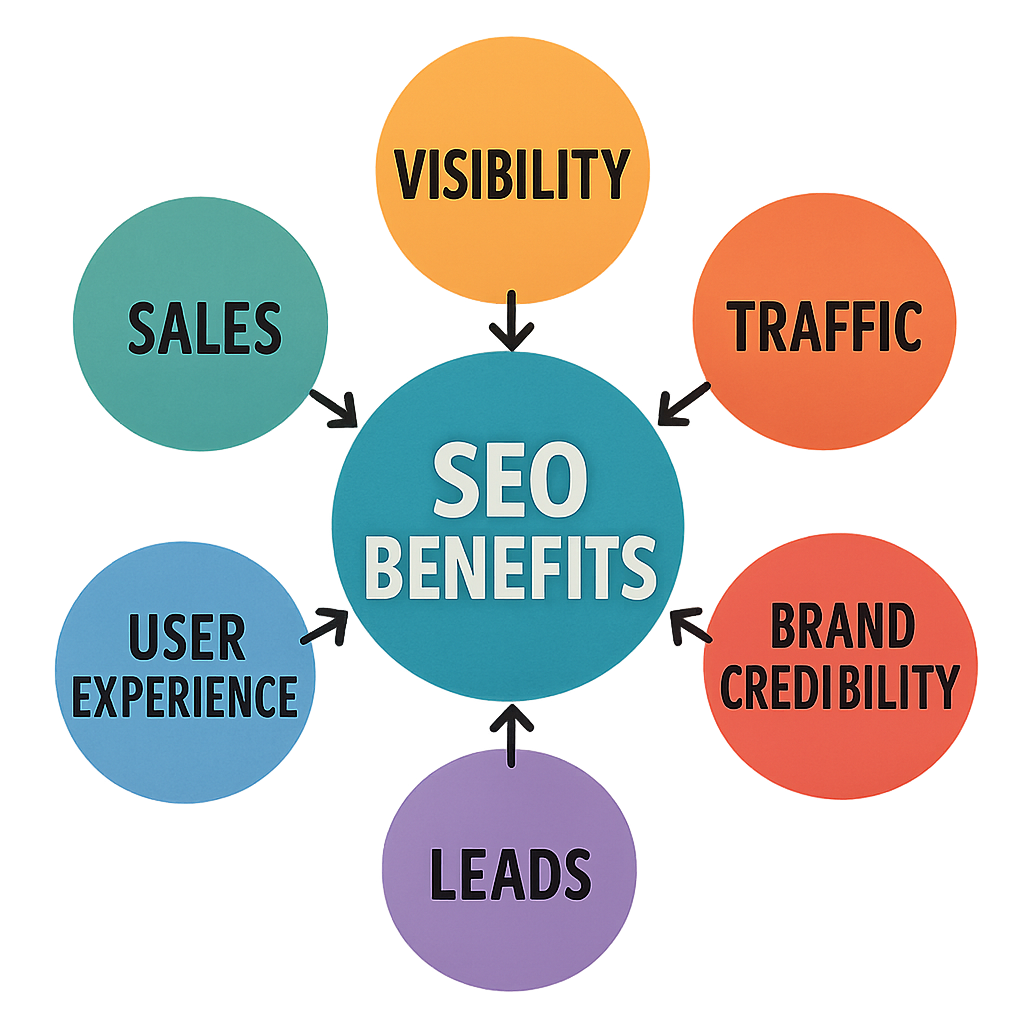
In the competitive world of e-commerce, SEO is an indispensable tool for driving traffic and increasing sales. By understanding and implementing effective SEO strategies, leveraging AI and technology, and choosing the right e-commerce solutions, you can maximize your online store’s success. Stay committed to optimizing your site and adapting to changes in the digital landscape to ensure your e-commerce business thrives.