

In today’s digital landscape, email marketing remains one of the most effective ways for online businesses to engage with their audience, nurture leads, and boost sales. This powerful form of communication not only allows businesses to maintain a personal connection with their customers but also provides significant opportunities for growth and profitability. However, to make the most of email marketing, you need the right tools that can simplify and enhance your campaigns. In this article, we will explore the best email marketing tools available, helping you choose the right solutions that fit your business needs.
Email marketing is a powerful tool for online businesses. It allows you to reach your audience directly in their inbox, providing a personal touch that other marketing channels can’t match. The advantages of email marketing extend far beyond simple communication, offering a host of benefits that can transform your business strategy.
Email provides a direct line to your customers, allowing for personalized messaging. This direct access means your messages don’t get lost in the noise like social media posts might. Personalization is key in marketing today, and emails can be tailored to match individual customer preferences and behaviors, increasing engagement rates. Moreover, emails enable two-way communication, fostering a stronger relationship between you and your audience.
Compared to other marketing channels, email marketing is relatively inexpensive. The low cost of sending emails, especially when compared to traditional advertising methods, makes it an attractive option for businesses of all sizes. Even with a small budget, you can reach a large audience, making it an ideal solution for startups and small businesses. Additionally, the affordability of email marketing tools means you can allocate more resources to other critical areas of your business.
According to studies, email marketing delivers one of the highest returns on investment. The ability to directly reach your audience with targeted messages results in higher conversion rates. Furthermore, the potential for upselling and cross-selling through email campaigns can significantly boost your revenue. The combination of low cost and high ROI makes email marketing a smart investment for any business looking to grow.
Email marketing tools offer analytics that help you track performance and optimize your strategy. With detailed reports on open rates, click-through rates, and conversions, you can see exactly how your campaigns are performing. This data-driven approach allows you to make informed decisions, refining your strategy for better results. The ability to measure success and adjust your tactics is invaluable in today’s competitive market.
What to Look for in Email Marketing Tools
Before diving into the best email marketing tools, it’s important to understand what features to look for. The right tool can make a significant difference in the success of your campaigns, so consider these key aspects when making your decision.
Ease of Use
The tool should have an intuitive interface that makes it easy to create and manage campaigns. A user-friendly platform reduces the learning curve, allowing you to get started quickly and focus on crafting effective messages. Drag-and-drop editors and pre-designed templates can simplify the design process, enabling even those with limited technical skills to create professional-looking emails. Additionally, a straightforward setup process means you can start reaching your audience without unnecessary delays.
Automation Capabilities
Look for tools that offer automation features to streamline your email marketing efforts. Automation can save you time and ensure timely and relevant communication with your subscribers. Features such as autoresponders, drip campaigns, and behavior-triggered emails allow you to engage with your audience without constant manual effort. Automation not only increases efficiency but also enhances the customer experience by delivering personalized content at the right moment.
Analytics and Reporting
Detailed analytics can help you measure success and make data-driven decisions. Look for tools that provide comprehensive reporting on key metrics such as open rates, click-through rates, and conversions. These insights enable you to identify what works and what doesn’t, allowing you to refine your strategy for better outcomes. Advanced analytics can also help you understand customer behavior and preferences, providing a deeper understanding of your audience.
Integration Options
The tool should integrate with other platforms you use, such as CRM systems or e-commerce platforms. Seamless integration ensures that your email marketing efforts are aligned with your overall business strategy. Connecting your email marketing tool with your CRM system, for example, can provide valuable insights into customer interactions and enhance personalization. Integration with e-commerce platforms can help you track sales and optimize your marketing campaigns accordingly.
Pricing
Consider your budget and choose a tool that offers good value for money. While it’s tempting to opt for the cheapest option, it’s essential to ensure that the tool meets your needs and provides the features required for successful campaigns. Evaluate the pricing structure, including any additional costs for premium features, and compare it against your budget. Many tools offer tiered pricing, so consider your current needs and potential future growth when making your decision.
Top Email Marketing Tools
Now that we understand the importance of email marketing and what features to look for, let’s explore some of the best email marketing tools available. Each tool offers unique features and benefits, so consider your specific needs and goals when making your choice.
Mailchimp
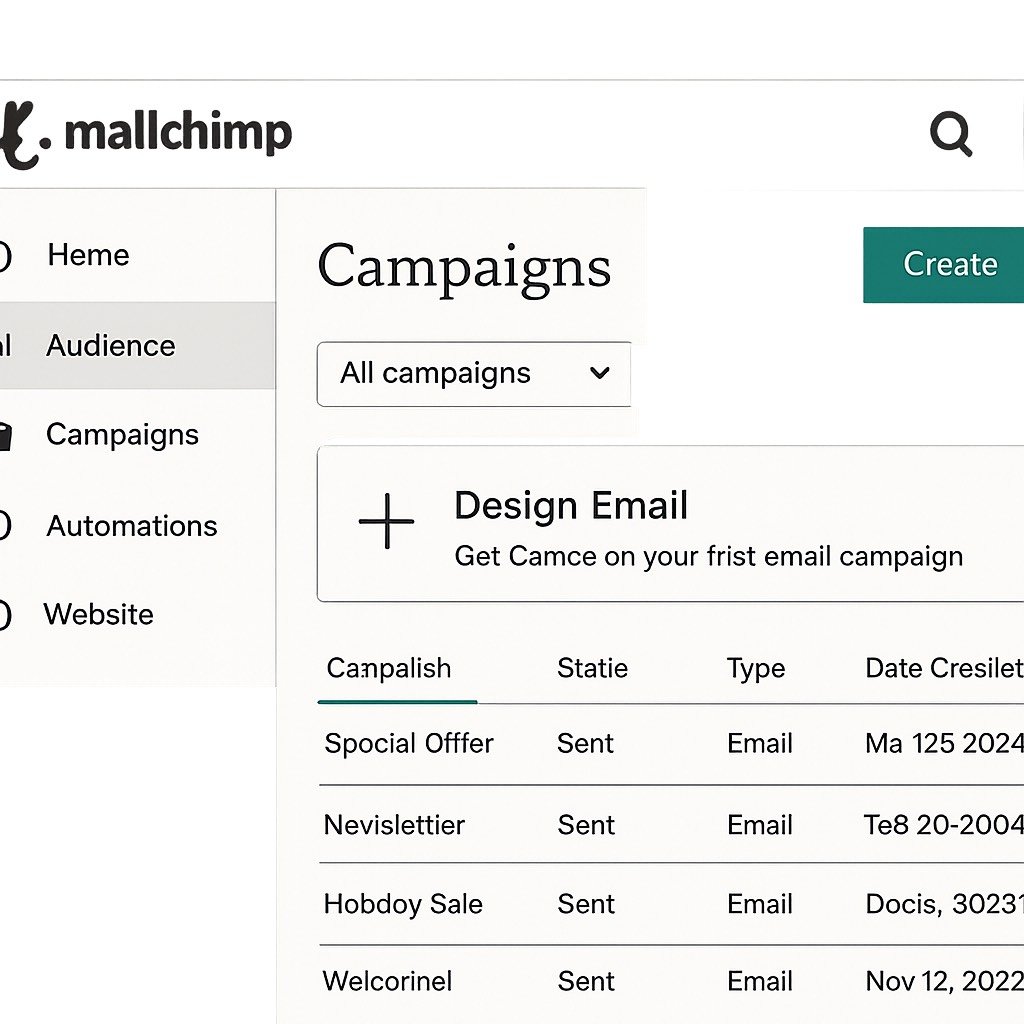
Mailchimp is one of the most popular email marketing platforms, known for its user-friendly interface and comprehensive features. It offers a range of templates and a drag-and-drop editor, making it easy to design eye-catching emails. Mailchimp also provides automation options, detailed analytics, and the ability to segment your audience.
Pros
Easy to use, extensive features, free plan available. The intuitive design and comprehensive tutorials make it accessible for beginners, while advanced features cater to experienced marketers. Its free plan is ideal for small businesses starting with email marketing, offering basic features at no cost.
Cons
Pricing can increase as your subscriber list grows. While Mailchimp’s free plan is attractive, costs can add up quickly as your needs expand. Larger businesses or those with extensive subscriber lists may find the pricing structure less favorable.
Constant Contact
Constant Contact is another well-known email marketing tool, especially popular among small businesses. It offers customizable templates, marketing automation, and a range of integrations. Constant Contact also provides excellent customer support, making it a great choice for beginners.
Pros
User-friendly, great customer support, robust automation. The platform’s straightforward design makes it easy to navigate, while dedicated support ensures you can resolve any issues promptly. Its automation features simplify campaign management, allowing you to focus on strategy.
Cons
Limited advanced features compared to some competitors. While Constant Contact is excellent for small businesses, larger enterprises might find the lack of advanced features restrictive. Businesses with complex needs may require more sophisticated tools.
GetResponse
GetResponse is a versatile email marketing tool that offers a wide range of features, including email automation, landing pages, and webinars. It’s a great choice for businesses looking for a comprehensive marketing solution.
Pros
Comprehensive features, good automation tools, supports webinars. GetResponse’s all-in-one platform is ideal for businesses seeking to consolidate their marketing efforts. Its webinar feature is particularly beneficial for engaging audiences and generating leads.
Cons
Learning curve for beginners. While the platform offers extensive features, new users may find it challenging to navigate initially. Investing time in learning the system can unlock its full potential.
AWeber
AWeber is known for its simplicity and ease of use, making it ideal for small businesses and entrepreneurs. It provides a range of templates, automation options, and detailed analytics.
Pros
Simple interface, reliable deliverability, excellent support. AWeber’s focus on simplicity makes it easy for users to get started quickly. Its reliable deliverability ensures your emails reach the intended recipients, while responsive support is available when needed.
Cons
Limited advanced features. AWeber’s straightforward design may lack the sophistication required by larger businesses or those seeking more advanced capabilities. Consider your long-term needs before committing.
ConvertKit
ConvertKit is designed specifically for creators, such as bloggers and YouTubers. It offers powerful automation features, customizable forms, and landing pages.
Pros
Great for creators, easy to use, excellent automation tools. ConvertKit’s focus on creators ensures its features align with the unique needs of bloggers, podcasters, and content creators. Its automation capabilities allow for personalized communication with your audience.
Cons
Limited design options for templates. While ConvertKit excels in automation, its template design options are somewhat limited. Creators seeking highly customizable visuals may need to look elsewhere.
How to Choose the Right Tool for Your Business
Choosing the right email marketing tool depends on your specific needs and goals. With numerous options available, it’s essential to approach the decision-making process strategically. Here are a few steps to help you make the right choice:
Assess Your Needs
Consider what you need from an email marketing tool. Do you need advanced automation features, or are you looking for something simple and easy to use? Understanding your needs will help you narrow down your options. Reflect on your current business objectives, marketing strategy, and any specific challenges you face. Identifying your priorities ensures you select a tool that aligns with your goals.
Evaluate Your Budget
Email marketing tools come with different pricing structures. Consider your budget and look for a tool that offers the features you need at a price you can afford. Analyze the value each tool provides in relation to its cost, and be mindful of any additional fees for premium features or larger subscriber lists. Balancing cost-effectiveness with functionality is key to making a sound investment.
Test Drive the Options
Most email marketing tools offer free trials or plans. Take advantage of these to test different platforms and see which one feels the most comfortable and effective for your business. Experimenting with multiple tools allows you to experience their interfaces, features, and customer support firsthand. This hands-on approach enables you to make an informed decision based on your personal experience.
Consider Your Growth
Think about the future growth of your business. Choose a tool that can scale with you as your subscriber list and needs expand. Evaluate each platform’s scalability and flexibility, ensuring it can accommodate your evolving requirements. Opting for a tool that supports your long-term growth strategy will save you time and resources in the future.
Conclusion
Email marketing is an essential strategy for online businesses looking to engage with their audience and drive sales. By choosing the right email marketing tool, you can streamline your efforts, improve your results, and ultimately grow your business. Whether you opt for Mailchimp, Constant Contact, GetResponse, AWeber, or ConvertKit, make sure the tool aligns with your specific needs and goals to maximize your email marketing success. Investing in the right solution today will empower you to build lasting relationships with your audience and achieve your business objectives.
Best email marketing tools for online businesses
In today’s digital landscape, email marketing remains one of the most effective ways for online businesses to engage with their audience, nurture leads, and boost sales. This powerful form of communication not only allows businesses to maintain a personal connection with their customers but also provides significant opportunities for growth and profitability. However, to make the most of email marketing, you need the right tools that can simplify and enhance your campaigns. In this article, we will explore the best email marketing tools available, helping you choose the right solutions that fit your business needs.
Email marketing is a powerful tool for online businesses. It allows you to reach your audience directly in their inbox, providing a personal touch that other marketing channels can’t match. The advantages of email marketing extend far beyond simple communication, offering a host of benefits that can transform your business strategy.
Email provides a direct line to your customers, allowing for personalized messaging. This direct access means your messages don’t get lost in the noise like social media posts might. Personalization is key in marketing today, and emails can be tailored to match individual customer preferences and behaviors, increasing engagement rates. Moreover, emails enable two-way communication, fostering a stronger relationship between you and your audience.
Compared to other marketing channels, email marketing is relatively inexpensive. The low cost of sending emails, especially when compared to traditional advertising methods, makes it an attractive option for businesses of all sizes. Even with a small budget, you can reach a large audience, making it an ideal solution for startups and small businesses. Additionally, the affordability of email marketing tools means you can allocate more resources to other critical areas of your business.
According to studies, email marketing delivers one of the highest returns on investment. The ability to directly reach your audience with targeted messages results in higher conversion rates. Furthermore, the potential for upselling and cross-selling through email campaigns can significantly boost your revenue. The combination of low cost and high ROI makes email marketing a smart investment for any business looking to grow.
Email marketing tools offer analytics that help you track performance and optimize your strategy. With detailed reports on open rates, click-through rates, and conversions, you can see exactly how your campaigns are performing. This data-driven approach allows you to make informed decisions, refining your strategy for better results. The ability to measure success and adjust your tactics is invaluable in today’s competitive market.
What to Look for in Email Marketing Tools
Before diving into the best email marketing tools, it’s important to understand what features to look for. The right tool can make a significant difference in the success of your campaigns, so consider these key aspects when making your decision.
Ease of Use
The tool should have an intuitive interface that makes it easy to create and manage campaigns. A user-friendly platform reduces the learning curve, allowing you to get started quickly and focus on crafting effective messages. Drag-and-drop editors and pre-designed templates can simplify the design process, enabling even those with limited technical skills to create professional-looking emails. Additionally, a straightforward setup process means you can start reaching your audience without unnecessary delays.
Automation Capabilities
Look for tools that offer automation features to streamline your email marketing efforts. Automation can save you time and ensure timely and relevant communication with your subscribers. Features such as autoresponders, drip campaigns, and behavior-triggered emails allow you to engage with your audience without constant manual effort. Automation not only increases efficiency but also enhances the customer experience by delivering personalized content at the right moment.
Analytics and Reporting
Detailed analytics can help you measure success and make data-driven decisions. Look for tools that provide comprehensive reporting on key metrics such as open rates, click-through rates, and conversions. These insights enable you to identify what works and what doesn’t, allowing you to refine your strategy for better outcomes. Advanced analytics can also help you understand customer behavior and preferences, providing a deeper understanding of your audience.
Integration Options
The tool should integrate with other platforms you use, such as CRM systems or e-commerce platforms. Seamless integration ensures that your email marketing efforts are aligned with your overall business strategy. Connecting your email marketing tool with your CRM system, for example, can provide valuable insights into customer interactions and enhance personalization. Integration with e-commerce platforms can help you track sales and optimize your marketing campaigns accordingly.
Pricing
Consider your budget and choose a tool that offers good value for money. While it’s tempting to opt for the cheapest option, it’s essential to ensure that the tool meets your needs and provides the features required for successful campaigns. Evaluate the pricing structure, including any additional costs for premium features, and compare it against your budget. Many tools offer tiered pricing, so consider your current needs and potential future growth when making your decision.
Top Email Marketing Tools
Now that we understand the importance of email marketing and what features to look for, let’s explore some of the best email marketing tools available. Each tool offers unique features and benefits, so consider your specific needs and goals when making your choice.
Mailchimp
Mailchimp is one of the most popular email marketing platforms, known for its user-friendly interface and comprehensive features. It offers a range of templates and a drag-and-drop editor, making it easy to design eye-catching emails. Mailchimp also provides automation options, detailed analytics, and the ability to segment your audience.
Pros
Easy to use, extensive features, free plan available. The intuitive design and comprehensive tutorials make it accessible for beginners, while advanced features cater to experienced marketers. Its free plan is ideal for small businesses starting with email marketing, offering basic features at no cost.
Cons
Pricing can increase as your subscriber list grows. While Mailchimp’s free plan is attractive, costs can add up quickly as your needs expand. Larger businesses or those with extensive subscriber lists may find the pricing structure less favorable.
Constant Contact
Constant Contact is another well-known email marketing tool, especially popular among small businesses. It offers customizable templates, marketing automation, and a range of integrations. Constant Contact also provides excellent customer support, making it a great choice for beginners.
Pros
User-friendly, great customer support, robust automation. The platform’s straightforward design makes it easy to navigate, while dedicated support ensures you can resolve any issues promptly. Its automation features simplify campaign management, allowing you to focus on strategy.
Cons
Limited advanced features compared to some competitors. While Constant Contact is excellent for small businesses, larger enterprises might find the lack of advanced features restrictive. Businesses with complex needs may require more sophisticated tools.
GetResponse
GetResponse is a versatile email marketing tool that offers a wide range of features, including email automation, landing pages, and webinars. It’s a great choice for businesses looking for a comprehensive marketing solution.
Pros
Comprehensive features, good automation tools, supports webinars. GetResponse’s all-in-one platform is ideal for businesses seeking to consolidate their marketing efforts. Its webinar feature is particularly beneficial for engaging audiences and generating leads.
Cons
Learning curve for beginners. While the platform offers extensive features, new users may find it challenging to navigate initially. Investing time in learning the system can unlock its full potential.
AWeber
AWeber is known for its simplicity and ease of use, making it ideal for small businesses and entrepreneurs. It provides a range of templates, automation options, and detailed analytics.
Pros
Simple interface, reliable deliverability, excellent support. AWeber’s focus on simplicity makes it easy for users to get started quickly. Its reliable deliverability ensures your emails reach the intended recipients, while responsive support is available when needed.
Cons
Limited advanced features. AWeber’s straightforward design may lack the sophistication required by larger businesses or those seeking more advanced capabilities. Consider your long-term needs before committing.
ConvertKit
ConvertKit is designed specifically for creators, such as bloggers and YouTubers. It offers powerful automation features, customizable forms, and landing pages.
Pros
Great for creators, easy to use, excellent automation tools. ConvertKit’s focus on creators ensures its features align with the unique needs of bloggers, podcasters, and content creators. Its automation capabilities allow for personalized communication with your audience.
Cons
Limited design options for templates. While ConvertKit excels in automation, its template design options are somewhat limited. Creators seeking highly customizable visuals may need to look elsewhere.
How to Choose the Right Tool for Your Business
Choosing the right email marketing tool depends on your specific needs and goals. With numerous options available, it’s essential to approach the decision-making process strategically. Here are a few steps to help you make the right choice:
Assess Your Needs
Consider what you need from an email marketing tool. Do you need advanced automation features, or are you looking for something simple and easy to use? Understanding your needs will help you narrow down your options. Reflect on your current business objectives, marketing strategy, and any specific challenges you face. Identifying your priorities ensures you select a tool that aligns with your goals.
Evaluate Your Budget
Email marketing tools come with different pricing structures. Consider your budget and look for a tool that offers the features you need at a price you can afford. Analyze the value each tool provides in relation to its cost, and be mindful of any additional fees for premium features or larger subscriber lists. Balancing cost-effectiveness with functionality is key to making a sound investment.

Test Drive the Options
Most email marketing tools offer free trials or plans. Take advantage of these to test different platforms and see which one feels the most comfortable and effective for your business. Experimenting with multiple tools allows you to experience their interfaces, features, and customer support firsthand. This hands-on approach enables you to make an informed decision based on your personal experience.
Consider Your Growth
Think about the future growth of your business. Choose a tool that can scale with you as your subscriber list and needs expand. Evaluate each platform’s scalability and flexibility, ensuring it can accommodate your evolving requirements. Opting for a tool that supports your long-term growth strategy will save you time and resources in the future.
Conclusion
Email marketing is an essential strategy for online businesses looking to engage with their audience and drive sales. By choosing the right email marketing tool, you can streamline your efforts, improve your results, and ultimately grow your business. Whether you opt for Mailchimp, Constant Contact, GetResponse, AWeber, or ConvertKit, make sure the tool aligns with your specific needs and goals to maximize your email marketing success. Investing in the right solution today will empower you to build lasting relationships with your audience and achieve your business objectives.