
Best SEO tools for Shopify stores
Table of Contents
Running a Shopify store can be an exciting adventure, but without the right tools, it can feel like you’re navigating a maze blindfolded. In the competitive landscape of e-commerce, having a well-optimized store is crucial. To truly succeed in the e-commerce world, you need to ensure your store is visible to potential customers. This is where Search Engine Optimization (SEO) comes into play. SEO not only enhances your store’s visibility but also attracts quality traffic that is more likely to convert into sales. In this article, we’ll explore the top SEO tools that can help your Shopify store rise above the competition and improve your online presence.
Understanding SEO
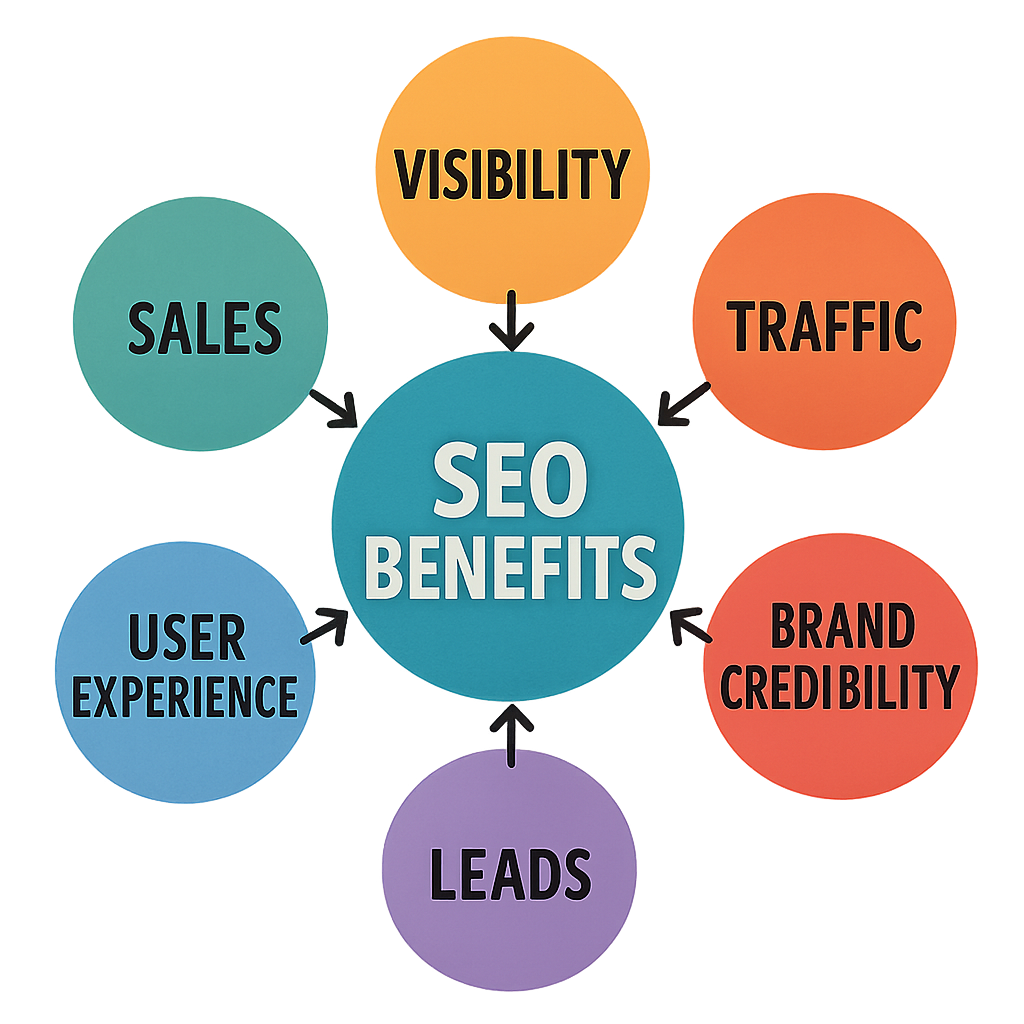
SEO, or Search Engine Optimization, is the process of optimizing your online content so that a search engine likes to show it as a top result for searches of a certain keyword. This process involves various strategies aimed at improving the quality and quantity of website traffic. For Shopify stores, SEO is crucial because it directly influences how easily customers can find your products. The higher your store ranks in search results, the more likely it is to attract potential buyers.
Visibility and Traffic
For Shopify stores, SEO is crucial. It helps increase your store’s visibility, attract more traffic, and ultimately boost sales. An optimized Shopify store will appear higher in search engine results, making it more accessible to a larger audience. This increased visibility is vital as it leads to more organic traffic, which is the lifeblood of any successful online business. Without proper SEO, your store might get lost in the sea of other online shops, making it difficult for potential customers to find you.
Boosting Sales Through SEO
The ultimate goal of SEO is not just to increase traffic but to convert that traffic into sales. By targeting the right keywords and optimizing your store’s content, you can attract visitors who are more likely to make a purchase. Effective SEO strategies can lead to a higher conversion rate, turning casual browsers into loyal customers. Additionally, a well-optimized store often results in repeat visits, as satisfied customers are more likely to return.
Top SEO Tools for Shopify Stores
When it comes to optimizing your Shopify store, there are several tools available to make your life easier. Let’s dive into some of the best options that can streamline your SEO efforts and deliver measurable results.
1. Ahrefs
Ahrefs is a powerful tool that provides comprehensive insights into your website’s SEO performance. It offers features like keyword research, site audit, backlink analysis, and more. With Ahrefs, you can uncover which keywords your competitors are ranking for and find gaps in your own strategy.
- Keyword Research: Ahrefs excels at keyword research, allowing you to discover high-potential keywords that can drive traffic to your store. By understanding search volume, keyword difficulty, and related terms, you can craft a targeted SEO strategy.
- Site Audit: Conducting regular site audits with Ahrefs ensures your Shopify store is free from technical issues that might hinder performance. It identifies problems such as broken links, duplicate content, and slow loading pages.
- Backlink Analysis: Backlinks are crucial for SEO success, and Ahrefs provides a detailed analysis of your backlink profile. It helps you understand the quality and quantity of your backlinks, enabling you to build a stronger link-building strategy.
2. SEMrush
SEMrush is another all-in-one SEO tool that is particularly popular among e-commerce businesses. It helps you perform keyword research, track your rankings, and analyze your competitors. Additionally, SEMrush offers features to improve your on-page SEO and technical SEO, ensuring that your Shopify store is fully optimized.
- Competitor Analysis: SEMrush allows you to keep a close eye on your competitors, providing insights into their top-performing keywords, traffic sources, and overall SEO strategy. This information is invaluable for staying ahead of the competition.
- On-Page SEO: The tool offers detailed recommendations for optimizing your product pages and blog posts. From meta tags to content suggestions, SEMrush ensures your on-page elements are fully optimized for search engines.
- Technical SEO: SEMrush’s technical SEO features help you identify and fix issues that could impact your store’s performance. It covers everything from site speed to mobile optimization, ensuring your store is accessible to all users.
3. Moz
Moz is renowned for its user-friendly interface and robust SEO features. It provides tools for keyword research, link building, and site audits. Moz’s Domain Authority metric is particularly useful for understanding the strength of your Shopify store’s online presence.
- Keyword Explorer: Moz’s Keyword Explorer is designed to help you find the best keywords to target. It provides data on search volume, keyword difficulty, and organic click-through rates, helping you prioritize your efforts.
- Link Building: Building a strong backlink profile is essential, and Moz’s link-building tools make it easier to identify opportunities. You can discover potential link partners and track your progress over time.
- Domain Authority: Moz’s Domain Authority metric is a trusted measure of your site’s overall SEO strength. By monitoring this score, you can gauge the effectiveness of your SEO efforts and identify areas for improvement.
4. Google Search Console
While not specifically designed for Shopify, Google Search Console is a must-have tool for any website owner. It allows you to monitor your site’s performance in Google Search results, identify indexing issues, and gain valuable insights into how Google views your website.
- Performance Monitoring: Google Search Console provides detailed reports on your site’s search performance, including clicks, impressions, and average position. This data helps you understand how your store is performing in search results.
- Indexing Issues: The tool alerts you to any indexing issues that may prevent your store from appearing in search results. By resolving these problems, you can ensure your content is accessible to search engines.
- Search Analytics: Gain insights into the search queries that drive traffic to your store. By understanding which keywords are performing well, you can refine your SEO strategy and focus on high-value terms.
5. Plug in SEO
Plug in SEO is a Shopify-specific app that helps you identify and fix SEO issues on your store. It offers features like keyword suggestions, broken link detection, and meta tag optimization. With Plug in SEO, you can ensure that your store meets all the necessary SEO requirements.
- Keyword Suggestions: The app provides tailored keyword suggestions based on your store’s content and niche. This feature helps you discover new opportunities to attract targeted traffic.
- Broken Link Detection: Broken links can negatively impact user experience and SEO. Plug in SEO identifies these links, allowing you to fix them quickly and maintain a seamless browsing experience.
- Meta Tag Optimization: Properly optimized meta tags are crucial for SEO. Plug in SEO offers recommendations for optimizing your meta titles and descriptions, ensuring they are compelling and keyword-rich.
6. Yoast SEO
Yoast SEO is a popular WordPress plugin, but it also has a Shopify version. It helps you optimize your content for search engines by providing real-time feedback on readability, keyword usage, and meta descriptions. Yoast SEO is perfect for those who want to ensure their content is both SEO-friendly and user-friendly.
- Readability Analysis: Yoast SEO analyzes the readability of your content, suggesting improvements to make it more engaging and accessible. This ensures your content resonates with both search engines and human readers.
- Keyword Optimization: The tool provides insights into your keyword usage, helping you avoid over-optimization and ensure natural keyword integration. This balance is essential for maintaining a positive user experience.
- Meta Descriptions: Yoast SEO offers guidance on crafting effective meta descriptions that encourage clicks. By optimizing these elements, you can improve your click-through rates and drive more traffic to your store.
7. Screaming Frog
Screaming Frog is a desktop-based SEO tool that crawls websites to identify technical SEO issues. It provides insights into broken links, duplicate content, and other issues that may affect your Shopify store’s performance. While it may require a bit of a learning curve, Screaming Frog is invaluable for technical SEO audits.
- Site Crawling: Screaming Frog crawls your entire site, providing a comprehensive overview of its structure. This crawl data is essential for identifying issues that could impact search engine visibility.
- Technical SEO Insights: The tool highlights technical issues such as duplicate content, missing meta tags, and incorrect redirects. By addressing these problems, you can improve your store’s SEO health.
- Customizable Reports: Screaming Frog allows you to generate customizable reports, making it easy to share insights with your team or clients. These reports help you track progress and demonstrate the impact of your SEO efforts.
How to Choose the Right SEO Tool for Your Shopify Store
With so many SEO tools available, it can be overwhelming to choose the right one for your Shopify store. Here are some factors to consider when making your decision:
Budget
SEO tools come in various price ranges, so it’s important to choose one that fits your budget. Some tools, like Google Search Console, are free, while others, like Ahrefs and SEMrush, offer premium plans with more advanced features.
- Free Tools: If you’re just starting, free tools like Google Search Console and Plug in SEO offer valuable insights without financial commitment. These tools provide essential data for improving your store’s SEO.
- Paid Options: For more comprehensive features, consider investing in paid tools like Ahrefs or SEMrush. These tools offer advanced analytics and reporting that can significantly enhance your SEO strategy.
- Trial Periods: Many paid tools offer free trials, allowing you to test their features before committing. Take advantage of these trials to determine which tool aligns best with your needs and budget.
Features
Consider what features are most important for your Shopify store’s SEO strategy. If you’re primarily focused on keyword research, a tool like SEMrush might be ideal. If technical SEO is your priority, Screaming Frog could be the better choice.
- Keyword Research: Tools like Ahrefs and SEMrush excel in keyword research, providing insights that help you target high-potential keywords and improve your search rankings.
- Technical SEO: If technical SEO is a priority, consider tools like Screaming Frog and Google Search Console. These tools help you identify and fix issues that could impact your store’s performance.
- Competitive Analysis: For those focused on staying ahead of competitors, SEMrush offers robust competitor analysis features. This data helps you understand your competition and refine your strategy.
Ease of Use

Choose a tool that matches your level of expertise. If you’re new to SEO, a user-friendly tool like Moz or Plug in SEO might be more suitable. More advanced users may prefer the in-depth data provided by Ahrefs or SEMrush.
- User-Friendly Options: Tools like Moz and Plug in SEO are designed with beginners in mind, offering intuitive interfaces and straightforward recommendations.
- Advanced Features: Experienced users may benefit from the detailed insights provided by Ahrefs and SEMrush. These tools offer comprehensive data for those comfortable with in-depth analysis.
- Learning Resources: Look for tools that offer tutorials, webinars, and support to help you make the most of their features. These resources can be invaluable for learning and growth.
Integration
Ensure that the tool you choose integrates seamlessly with your Shopify store. Some tools, like Plug in SEO, are designed specifically for Shopify, making them easier to implement and use.
- Shopify-Specific Tools: Tools like Plug in SEO are built specifically for Shopify, ensuring seamless integration and easy implementation of SEO strategies.
- Third-Party Integration: Check if the tool integrates with other platforms you use, such as Google Analytics or social media management tools. This integration can streamline your marketing efforts.
- API Access: Some tools offer API access, allowing you to customize integrations and automate certain processes. This feature can enhance your store’s efficiency and performance.
Tips for Optimizing Your Shopify Store for SEO
Now that you know about the best SEO tools, let’s discuss some tips for optimizing your Shopify store to ensure maximum visibility and engagement:
Optimize Product Descriptions
Use relevant keywords in your product descriptions to help search engines understand what your products are about. Well-written descriptions not only improve SEO but also enhance the customer’s shopping experience by providing valuable information.
Improve Site Speed
A fast-loading site is crucial for SEO. Use tools like Google PageSpeed Insights to identify areas for improvement. Optimizing images, leveraging browser caching, and minimizing code are some ways to enhance site speed.
Utilize Alt Text for Images
Alt text helps search engines understand what’s in your images. Be descriptive and include relevant keywords. This practice not only improves SEO but also makes your site more accessible to visually impaired users.
Build Quality Backlinks
Backlinks from reputable websites can boost your store’s authority. Reach out to bloggers and influencers in your niche for collaboration opportunities. Guest blogging and creating shareable content can also help you earn valuable backlinks.
Regularly Update Content
Keep your content fresh and relevant by updating product descriptions, blog posts, and other pages regularly. Fresh content signals to search engines that your store is active and provides value to users, improving your rankings.
Conclusion
SEO is a vital part of running a successful Shopify store. By using the right tools and implementing effective strategies, you can improve your store’s visibility, attract more customers, and increase sales. Whether you’re new to SEO or a seasoned pro, there’s a tool out there to suit your needs. Start optimizing your Shopify store today and watch your business grow! With dedication and the right approach, you can elevate your store’s performance and achieve long-term success in the competitive e-commerce landscape.