

How to rank product pages on Google
In the competitive world of e-commerce, standing out is crucial. If you run an online store, you know the importance of getting your product pages to rank on Google. Without visibility, your potential customers might never find your amazing products. But how exactly do you achieve high rankings? This article will guide you through the essential steps to optimize your product pages for better visibility on Google.
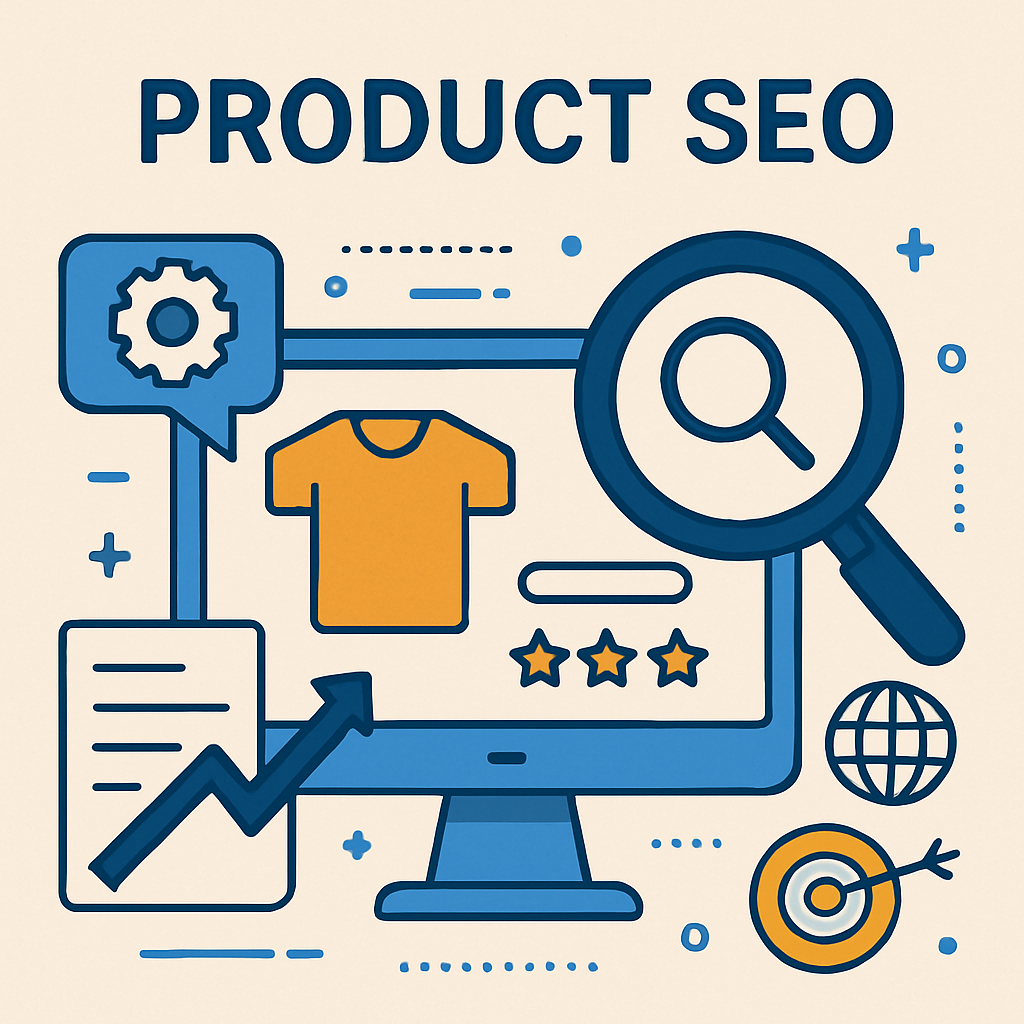
Product page optimization is all about making your pages more appealing to both search engines and users. By enhancing various elements of your product pages, you can improve their search engine ranking. This involves strategic use of keywords, improving user experience, and ensuring that your pages provide valuable information to potential customers.
What is Product Page Optimization?
Product page optimization refers to the process of refining various elements of your product pages to make them more attractive to search engines and users. This process is crucial for improving your page’s visibility and ranking on search engines. By optimizing elements such as content, images, and technical aspects, you can enhance user experience and increase the likelihood of conversions.
Importance of SEO in E-commerce
In the e-commerce sector, SEO is more than just a marketing strategy; it’s an essential component of your business’s success. Effective SEO can increase your website’s visibility, attract more organic traffic, and ultimately lead to more sales. Given the vast number of e-commerce sites competing for attention, SEO helps your products stand out in search results, making it easier for potential customers to find you.
How Search Engines Evaluate Product Pages
Search engines use complex algorithms to evaluate and rank web pages. They consider numerous factors, including the relevance and quality of content, user engagement metrics, and technical performance. Understanding these factors can help you tailor your optimization efforts to align with search engine expectations, thereby improving your chances of ranking higher.
Why Is Ranking Important?
Ranking high on Google is crucial because it directly impacts your website’s traffic. The higher your product pages rank, the more likely they are to be seen by potential customers, leading to increased sales and revenue.
Steps to Optimize Product Pages
To rank your product pages effectively, you need to focus on several key areas. Let’s delve into each one.
Keyword Research
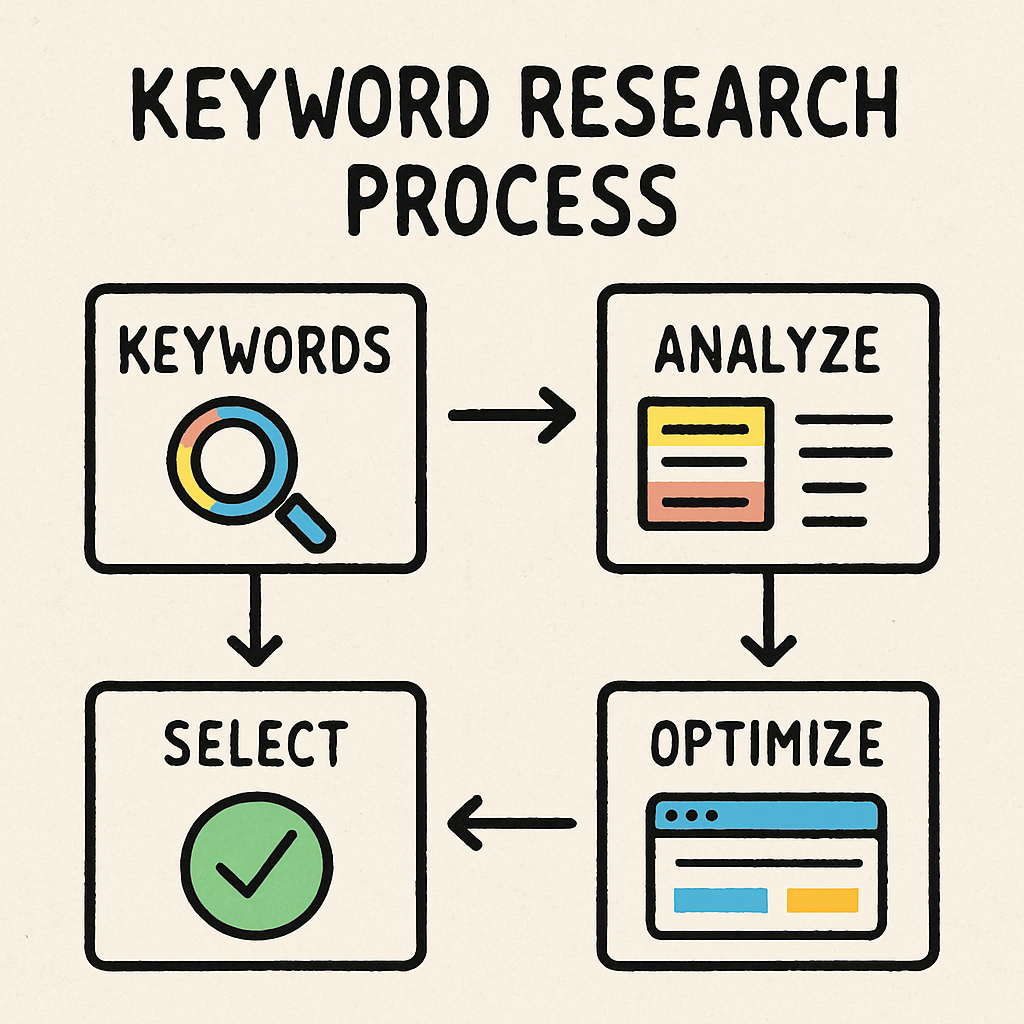
Effective keyword research is the foundation of any successful SEO strategy. By identifying the right keywords, you can align your content with what potential customers are searching for, increasing the likelihood of attracting relevant traffic.
Find the Right Keywords
The first step in SEO for products is identifying the right keywords. Use tools like Google Keyword Planner, Ahrefs, or SEMrush to find keywords that are relevant to your products. Look for terms with a good balance of search volume and competition. It’s important to choose keywords that reflect your product offerings accurately while also considering user intent.
Long-tail Keywords
Long-tail keywords are longer, more specific phrases that potential customers might use when they’re close to making a purchase. Long-tail keywords are less competitive and can drive more targeted traffic to your site. These keywords often reflect a user’s specific needs or questions, making them valuable for capturing high-intent traffic.
Analyzing Competitor Keywords
Analyzing competitor keywords can provide insights into the terms that are driving traffic to similar products. By understanding which keywords your competitors are targeting, you can identify gaps in your own strategy and discover new opportunities for optimization. This analysis can also reveal trends and user behaviors that are relevant to your market.
On-Page SEO
On-page SEO focuses on optimizing individual product pages to improve their search engine ranking and user experience. This involves refining various elements of the page to ensure they align with SEO best practices.
Title Tags and Meta Descriptions
Ensure that each product page has a unique and descriptive title tag and meta description. These should include your primary keyword and be compelling enough to encourage users to click. A well-crafted title and meta description can significantly impact your page’s click-through rate, which can indirectly influence your ranking.
Headings and Subheadings
Use clear headings and subheadings to organize your content. This not only helps with SEO but also improves the user experience. Properly structured content makes it easier for users to navigate your page and for search engines to understand the hierarchy and relevance of your content.
Product Descriptions
Write detailed and unique product descriptions. Avoid using the manufacturer’s description, as duplicate content can negatively impact your SEO. Include your target keywords naturally within the text. A compelling product description can engage users and persuade them to make a purchase, while also providing search engines with valuable content to index.
Image Optimization

Images are a crucial part of product pages, but they can also slow down your site if not optimized. Here’s how to optimize them:
File Names and Alt Text
Use descriptive file names and include keywords in the alt text. This helps search engines understand what the image is about. Alt text also improves accessibility for users with visual impairments, enhancing your site’s inclusivity.
Compression
Reduce the file size of your images without compromising quality. Tools like TinyPNG or ImageOptim can help with this. Optimized images load faster, improving your site’s performance and user experience, which are critical factors for SEO.
Image Dimensions and Formats
Choosing the right image dimensions and formats can impact your site’s load speed and visual appeal. Use web-friendly formats like JPEG or PNG, and ensure that your images are appropriately sized for your site layout. This can prevent layout shifts and improve the overall aesthetic of your product pages.
Technical SEO
Technical SEO involves optimizing the backend aspects of your website to improve its performance and visibility. This includes elements that affect how search engines crawl and index your site.
Mobile-Friendly Design
Ensure your product pages are mobile-friendly. Google prioritizes mobile-first indexing, meaning it primarily uses the mobile version of a site for ranking. A responsive design ensures your site looks and functions well on all devices, which can improve user engagement and retention.
Page Load Speed
A slow site can hurt your rankings. Use tools like Google PageSpeed Insights to test your site speed and make improvements as needed. Optimizing load speed can reduce bounce rates and enhance user satisfaction, both of which are important for SEO.
Structured Data
Implement structured data (schema markup) to help search engines understand your content better. This can improve your chances of appearing in rich snippets, which can boost your visibility. Rich snippets provide users with additional information directly in the search results, increasing the likelihood of clicks.
User Experience
User experience is a critical factor in both SEO and conversions. A positive user experience can lead to higher engagement and satisfaction, which can indirectly influence your search rankings.
Easy Navigation
Make it easy for users to find what they’re looking for. Use clear categories and filters. A well-organized site structure facilitates user exploration and reduces frustration, increasing the likelihood of conversions.
Customer Reviews
Encourage satisfied customers to leave reviews. Not only do they provide social proof, but they also add fresh content to your pages, which is beneficial for SEO. Reviews can influence purchasing decisions and enhance the credibility of your products.
Call to Action (CTA)
Have clear and compelling CTAs that guide users toward making a purchase. Effective CTAs can motivate users to take action, whether it’s adding a product to their cart or signing up for a newsletter, ultimately driving conversions.
Off-Page SEO
Off-page SEO focuses on activities outside of your website that can impact your search engine rankings. These activities help build your site’s authority and reputation.
Backlinks
Quality backlinks from reputable sites can significantly improve your rankings. Reach out to bloggers, influencers, or industry publications to feature your products. Backlinks act as endorsements for your site, signaling to search engines that your content is valuable and trustworthy.
Social Media
Share your product pages on social media to increase their visibility and potential for backlinks. Social media platforms can drive traffic to your site and enhance brand awareness, indirectly impacting your SEO efforts.
Influencer Collaborations
Collaborating with influencers can expand your reach and introduce your products to new audiences. Influencers can create authentic content that resonates with their followers, potentially leading to increased traffic and backlinks to your site.
Monitoring and Adjusting
SEO is not a one-time task. You need to regularly monitor your rankings and adjust your strategies as needed.
Use Analytics Tools
Tools like Google Analytics and Google Search Console are invaluable for tracking your site’s performance. They provide insights into which pages are performing well and which need improvement. By analyzing data, you can make informed decisions about where to focus your optimization efforts.
Stay Updated
SEO is constantly evolving. Stay informed about the latest SEO trends and algorithm updates to ensure your strategies remain effective. Regularly reviewing industry news and participating in SEO forums can help you stay ahead of changes that could impact your rankings.
Conduct Regular Audits
Conducting regular SEO audits can help identify issues that may be affecting your site’s performance. By systematically reviewing your site, you can uncover technical problems, content gaps, and opportunities for improvement, ensuring your SEO strategy remains effective.
Conclusion
Ranking product pages on Google requires a comprehensive approach that includes keyword research, on-page and technical SEO, and a focus on user experience. By following these steps, you’ll be well on your way to improving your product pages’ visibility and driving more traffic to your online store. Remember, SEO takes time and effort, but the payoff can be significant in terms of increased sales and revenue.
Start optimizing your product pages today and watch your rankings soar!